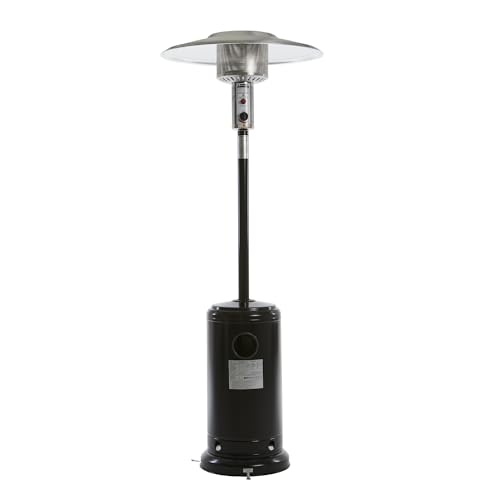
Everything You Need to Know Before Buying Propane Heaters
As the winter chill sets in, house owners begin to check out various heating options to keep their home warm and comfy. One popular choice that has gotten substantial traction over the last few years is propane heating. Propane heaters, known for their effectiveness and versatility, provide an effective service for heating homes, garages, and outdoor spaces. This article intends to supply a thorough guide to buying propane heaters, examining their types, advantages, features, and essential factors to consider for making an informed purchase.
Tabulation
- What is a Propane Heater?
- Kinds Of Propane Heaters
- 2.1. Portable Propane Heaters
- 2.2. Wall-Mounted Propane Heaters
- 2.3. Heater Propane Heaters
- 2.4. Infrared Propane Heaters
- Benefits of Using Propane Heaters
- Secret Features to Consider When Buying a Propane Heater
- Often Asked Questions (FAQs)
- Conclusion
What is a Propane Heater?
A propane heater is a type of heating unit that utilizes propane gas as a fuel source to produce heat. Propane, a byproduct of gas processing and petroleum refining, is kept in pressurized tanks that can be quickly transferred. Propane heaters can be employed in various settings, from domestic homes to outdoor activities like camping, and can function as a primary heating source or a supplemental one to maintain convenience throughout chillier months.
Types of Propane Heaters
When purchasing a propane heater, it is vital to comprehend the different types offered in the market. The best option mostly depends on the designated function, space requirements, and budget plan. Below is an overview of the 4 main types of propane heaters:
2.1. Portable Propane Heaters
Portable propane heaters are perfect for those who require a flexible heating service. These systems are usually lightweight and can be moved from room to space, offering targeted warmth anywhere required.
2.2. Wall-Mounted Propane Heaters
Wall-mounted propane heaters are designed for permanent setup. These heaters are typically used in family rooms, garages, or workshops, supplying a trustworthy heating source without using up floor space.
2.3. Furnace Propane Heaters
Furnace propane heaters are larger heating unit created to warm a whole home. These systems are linked to a propane tank and utilize a distribution system of ductwork or hydronic systems to spread heat throughout your house.
2.4. Infrared Propane Heaters
Infrared propane heaters utilize infrared technology to supply heat by straight warming objects and people instead of the surrounding air. This technique is extremely efficient and ideal for outdoor settings such as patios.
Benefits of Using Propane Heaters
Propane heaters use numerous benefits over conventional heating systems. Here are a few of the essential benefits:
- Cost-Effective: Propane is frequently less costly than electrical energy or heating oil, providing significant savings on heating costs.
- Eco-Friendly: Propane is a clean-burning fuel that produces less carbon emissions compared to other nonrenewable fuel sources.
- High Efficiency: Most propane heaters have a high energy efficiency ranking, offering quicker and more reliable heat.
- Adaptability: With different kinds of heaters readily available, propane heaters can be used in diverse settings, including homes, garages, and outdoor spaces.
Key Features to Consider When Buying a Propane Heater
When picking a propane heater, a number of features need to be evaluated to make sure the selected design meets the buyer's particular requirements. Here are vital functions to consider:
- Heating Capacity: Measure the space that requires heating to figure out the essential British Thermal Units (BTUs) for optimum warmth.
- Security Features: Look for models with security shut-off mechanisms, oxygen exhaustion sensors, and tip-over defense.
- Portability: Decide whether a portable or stationary system is preferable for the planned use.
- Fuel Efficiency: Consider the heater's effectiveness score to make the most of fuel use and decrease running expenses.
- Noise Level: Examine the sound output if sound levels are a concern, especially in household living areas.
Often Asked Questions (FAQs)
1. How do I identify the right size propane heater for my space?
To determine the proper size, compute the square video of the area you desire to heat and describe the heater's BTU score. A basic guideline is to permit 30-40 BTUs per square foot.
2. Are propane heaters safe for indoor use?
Yes, however security preventative measures should be followed. Guarantee proper ventilation to prevent the accumulation of carbon monoxide, and pick heaters particularly developed for indoor use.
3. How much propane does a heater consume?
The consumption rate can vary significantly depending on the heater's size, effectiveness, and how often it's used. For referral, a normal propane heater may consume around 1 to 2 gallons of propane per hour.
4. Can propane heaters be used outdoors?
Definitely! Lots of propane heaters, particularly portable and infrared models, are created for outdoor use and can help keep you warm while outdoor camping or enjoying a patio space.
5. For how long does a propane tank last?
The period a propane tank lasts depends upon the tank's size and the heater's BTU ranking. For Fireplaces And Stoves , a 20-pound tank might last around 10-20 hours of usage, depending on consumption rates.
Picking the right propane heater involves a mindful evaluation of the available types, benefits, and crucial functions. With its cost-effectiveness, eco-friendliness, and versatility, propane heating is a good choice for many property owners. By understanding the specific requirements of your space and thinking about the security and performance of numerous designs, purchasers can easily navigate the propane heater marketplace. As winter season methods, making an informed choice can lead to a warm, cozy home all season long.